A time limit should pause work, not erase it
Long-running work needs boundaries. A local task should not hold a machine forever, and teams need predictable windows for scheduling and review. But the old failure mode was too expensive: when a run reached its wall clock, the next claim could begin again from the start.
That restart discarded the most valuable part of a long run—the accumulated context inside the live CLI session. It could repeat exploration, recreate changes, and spend another window reaching the same point before making progress.
Park the session, then continue it
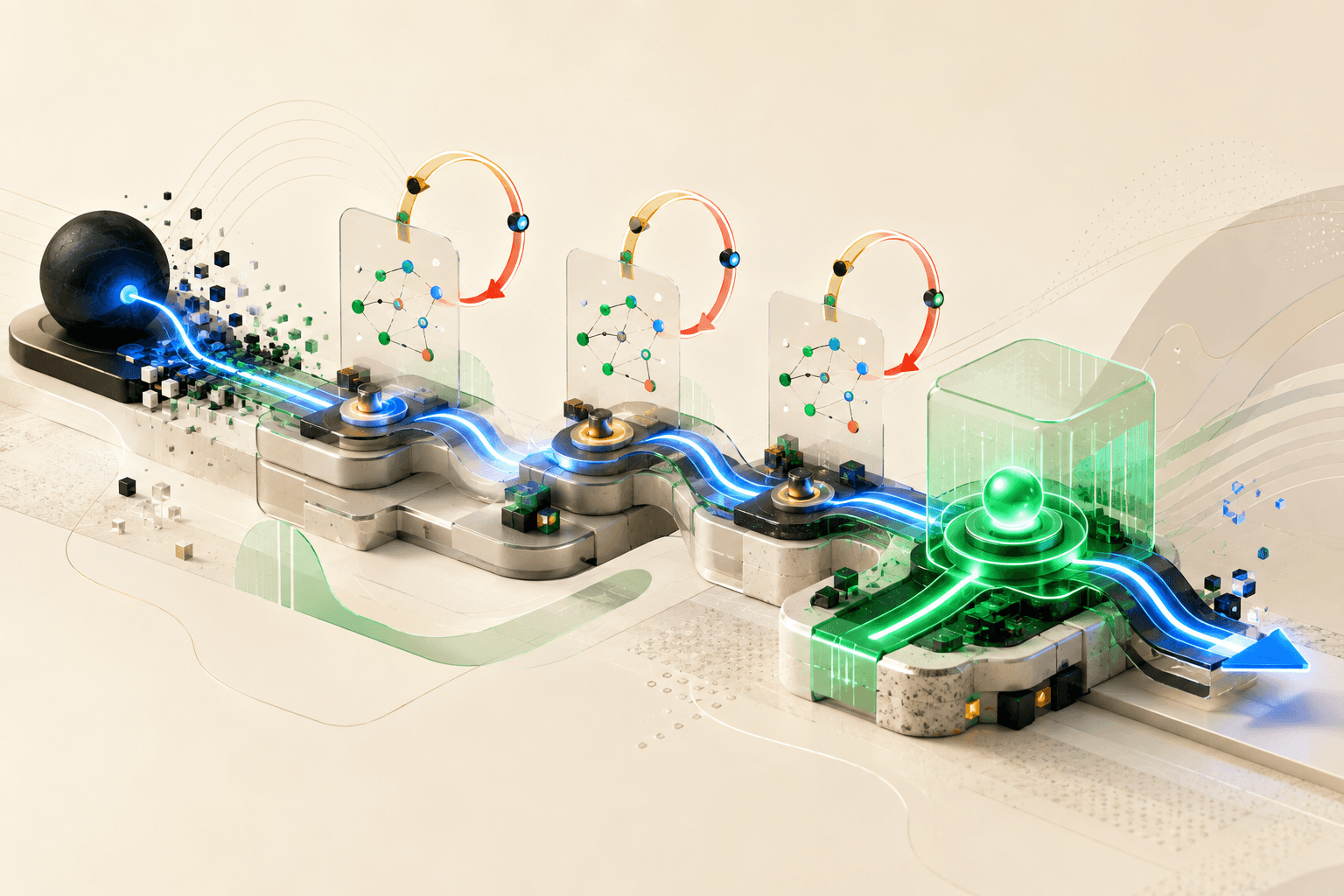
Grain now parks a local run when it reaches its time window. The live CLI session, isolated branch, working directory, and progress remain attached to the task. On the next claim, Grain resumes that session from its checkpoint instead of manufacturing a fresh attempt.
A parked session can be claimed exactly once. When the resumed run truly completes or fails, Grain clears the saved session state. Those details matter: resumability is only dependable if two workers cannot continue the same checkpoint and stale state cannot leak into a later run.
- Preserve the live CLI session when the wall clock stops a run.
- Keep the task’s isolated branch and working copy intact.
- Claim a parked session once, preventing duplicate continuation.
- Clear the checkpoint after a real completion or failure.
Review loops should preserve intent too
Durable execution is not only about files and sessions. It is also about decisions. Request Changes during plan review now sends the reviewer’s note back through planning, returns a revised plan, and asks for approval again. Feedback is no longer mistaken for approval of the previous plan.
The loop is deliberately bounded at three rounds. Teams get a real chance to shape the approach without leaving a task waiting forever. If the first plan is right, approval still moves directly into implementation.
Progress should survive an interruption
A trustworthy work system preserves the state that matters: the branch an agent is changing, the session that understands the problem, and the human feedback that changes the plan. These updates make interruptions less destructive and reviews more literal, so a long task can move forward without quietly losing what it already learned.